It's a common assumption: a dry desert climate like El Paso's shouldn't have slab moisture problems. In practice, we still see coating failures — blistering, delamination, adhesive breakdown — traced back to moisture vapor coming up through a slab, even here. Here's why, and how we test for it.
Slab moisture doesn't require a humid climate — it requires water reaching the soil under or around a slab. In El Paso, that's usually irrigation and landscaping runoff, a grading issue that channels water toward a foundation, or a slow plumbing leak rather than rainfall.
El Paso's caliche-heavy soil has its own drainage characteristics, and depending on depth and composition, it can hold or channel moisture differently than typical soil. That's one more reason we test rather than assume based on climate alone.
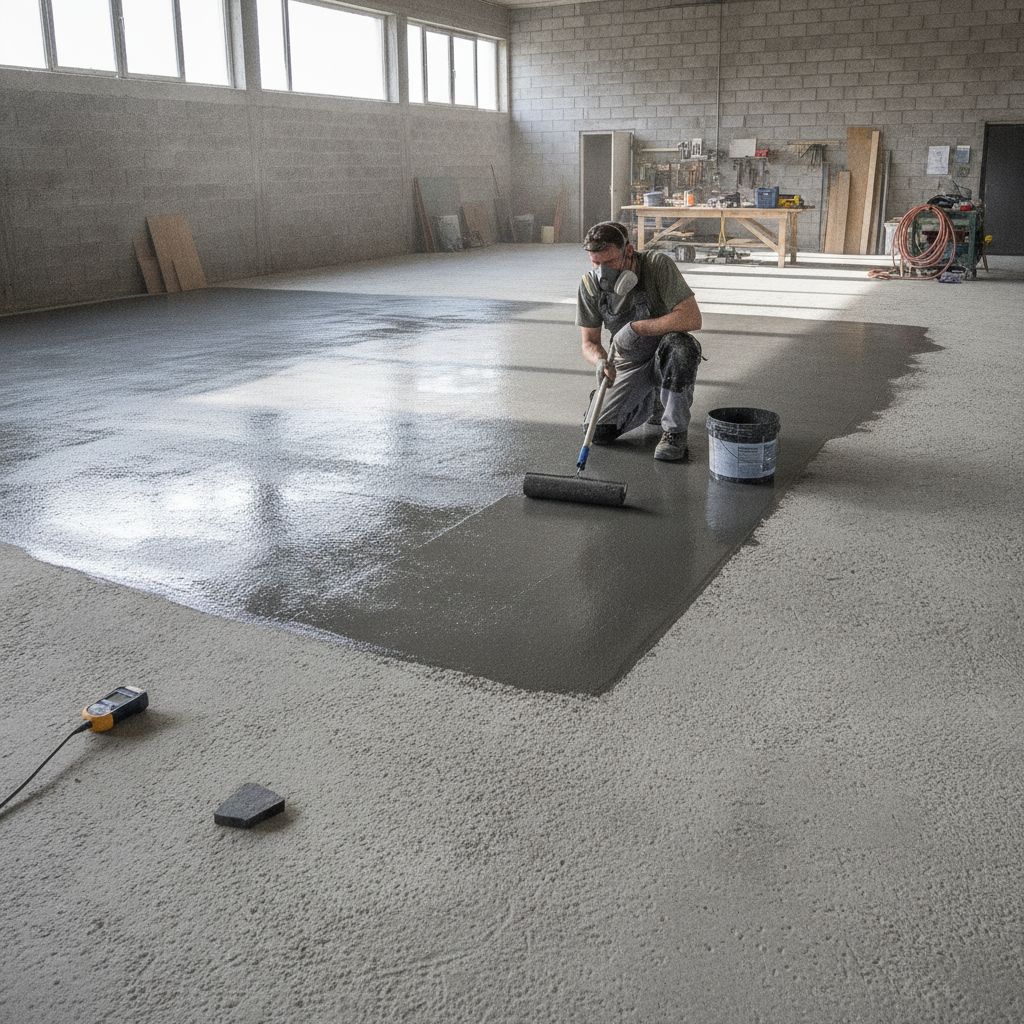
Before coating any slab, we run calcium chloride and relative-humidity moisture testing. If readings come back elevated, we install a vapor-barrier primer system rated for high-moisture-vapor-emission slabs before the polyurea topcoat goes down — preventing the blistering and delamination that would otherwise show up months later.
If a prior garage or slab coating blistered, bubbled, or delaminated, that's usually a moisture-vapor problem that was never actually diagnosed. El Paso Polyurea tests every slab before quoting a system — in El Paso's climate, that step isn't optional.
No obligation. We'll assess your space and give you a real number.